- temibaruwa905
- No Comments
- September 25, 2024
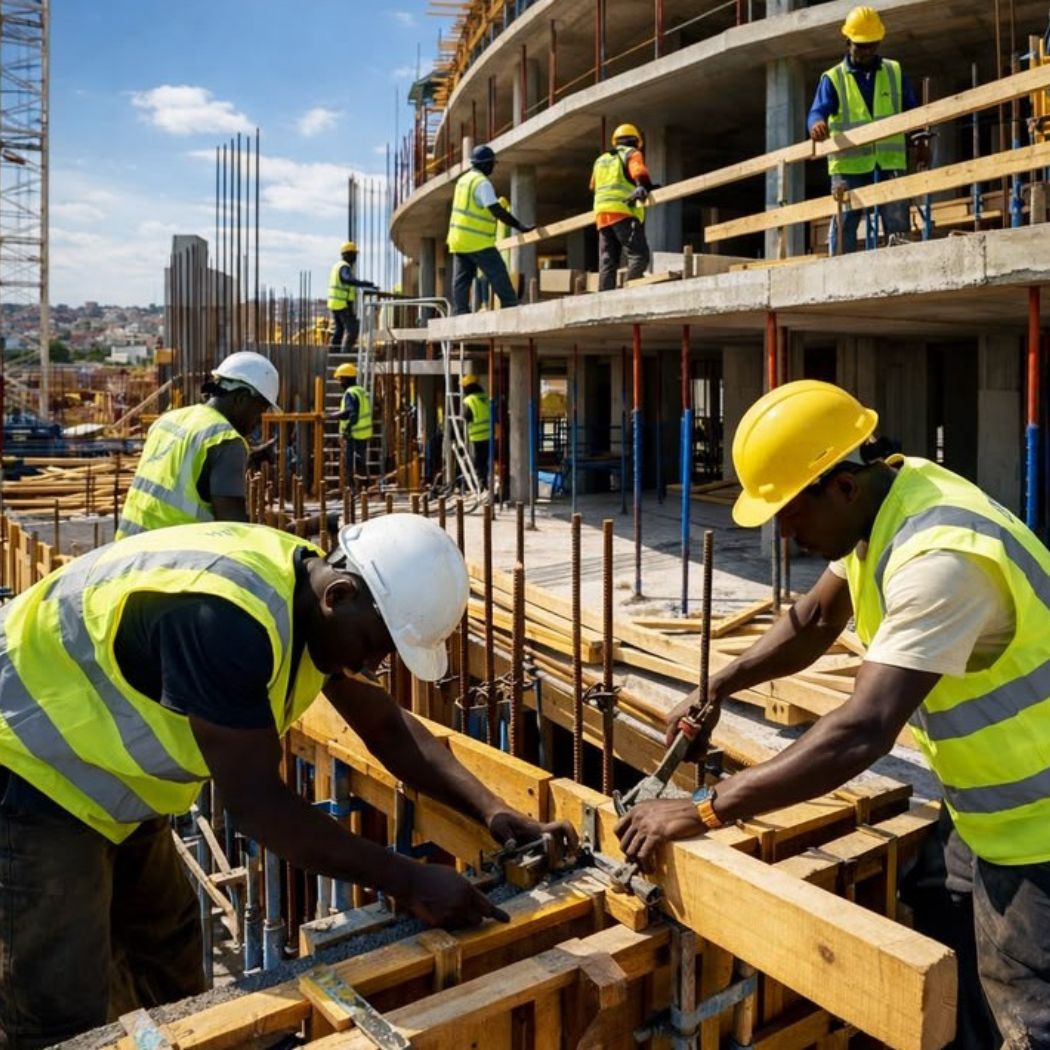
How to Choose Materials That Make a Lasting Difference in Construction
When building a house, office, shop, school or any other structure, one of the biggest decisions you will make is the choice of building materials. It is easy to focus on the cost of materials because construction can be expensive. You may be tempted to ask, “Where can I get this cheaper?” But there is another question that is even more important:
“Will this material give me the quality and durability I need?”
A building is expected to serve you for many years. The materials used during construction will have a major influence on how well it performs, how often it requires repairs and how much it ultimately costs to maintain. For the average Nigerian property owner, choosing the right materials does not necessarily mean buying the most expensive products. It means understanding what you are buying, where it will be used and whether it is suitable for the conditions your building will face.
Here are some practical things to consider.
1. Don’t Choose Materials Based on Price Alone
Price is important, especially when working with a construction budget. However, the cheapest material is not always the most economical option. Imagine buying a cheaper roofing material that begins to deteriorate after a few years. You may eventually spend money on repairs, replacement, labour and damage caused by water leakage.
The same applies to tiles, plumbing pipes, electrical components, doors, windows, paints, concrete materials and other building products. A material that costs slightly more initially but lasts considerably longer may provide better value over its lifetime.
Think beyond the purchase price. Think about the total cost of ownership.
2. Understand Where the Material Will Be Used
Not every material is suitable for every part of a building. A material that works well indoors may not perform well outdoors. Similarly, materials used in a bathroom, kitchen or foundation need to withstand different conditions from those used in a bedroom or living room.
For example, areas that are regularly exposed to water require materials that can withstand moisture. External walls may need finishes that can handle intense sunlight and heavy rainfall. Materials used in high-traffic areas may need to withstand more wear and tear.
Before buying any material, ask:
- Where will it be used?
- What conditions will it be exposed to?
- How much pressure, moisture, heat or movement will it experience?
- Is it appropriate for that particular application?
Choosing a good material for the wrong application can still produce a poor result.
3. Pay Attention to Quality, Not Just Appearance
Some building materials look excellent when they are new but may not perform well over time. A beautiful tile, for example, is not automatically a durable tile. A good-looking paint is not necessarily suitable for an exterior wall. A shiny roofing product may still have weaknesses that are not immediately visible.
This is why construction decisions should not be based entirely on appearance. Look at the specifications, quality standards, manufacturer’s information and recommendations for use. Where necessary, ask a qualified professional to help assess the material before purchasing it.
What looks good today should also be able to perform tomorrow.
4. Buy Materials From Reliable Sources
The Nigerian construction market offers a wide variety of building products. Unfortunately, there can also be differences in quality between products that appear similar. This makes the source of your materials important. Buying from a reliable supplier can make it easier to verify the product, obtain the correct specifications and address issues if there is a problem.
Be careful when someone offers a material at a price that seems unusually low without a clear explanation. It is also important to check packaging, labels, specifications, quantities and other relevant information. For materials where technical certification or testing is important, ensure that the appropriate documentation is available.
Saving money at the point of purchase is not a saving if the material eventually compromises the building.
5. Consider Nigeria’s Climate
Nigeria’s climate presents several challenges for buildings. Depending on the location, a building may be exposed to intense sunlight, heavy rainfall, high humidity, dust, heat and periods of extreme weather. These conditions can affect building materials over time.
For example, poor-quality exterior finishes may fade, crack or deteriorate faster when constantly exposed to sunlight and rain. Materials that are not appropriate for wet environments may also experience premature deterioration.
Therefore, when selecting materials, think about the environment in which the building will stand. The right material is one that can perform under the actual conditions it will face.
6. Don’t Compromise on Structural Materials
Some construction decisions are particularly important because they directly affect the safety and strength of the building. Materials used for foundations, reinforced concrete, columns, beams, slabs and other structural components should be selected and used according to the structural design and professional specifications. This is not an area where guesswork or unnecessary cost-cutting should be encouraged.
For example, simply deciding to use less cement, inappropriate aggregates or unsuitable reinforcement because they are cheaper can have serious consequences. Structural materials should meet the required specifications, and their use should be properly supervised by qualified professionals.
A building may be beautiful on the outside, but its real strength begins with what is properly done beneath and within it.
7. Think About Maintenance
Before choosing a material, ask yourself another simple question:
“How easy will this be to maintain?”
A material may be durable but difficult or expensive to repair. Another may require frequent specialist maintenance. For a homeowner or property manager, this matters. Consider flooring, roofing, plumbing fixtures, wall finishes, doors, windows and other components that may eventually require cleaning, repair or replacement. Materials that are practical to maintain can make a significant difference to the long-term cost of owning a building.
8. Avoid Unnecessary Compromise
There is a difference between controlling construction costs and cutting corners. Cost management involves finding efficient ways to achieve the required quality within a realistic budget. Cutting corners involves reducing quality in areas where quality matters simply to spend less.
A good construction team should be able to help you identify where you can save and where you should not compromise. For example, you may be able to choose a simpler decorative finish without affecting the building’s structural integrity. But compromising on critical structural or safety-related materials simply because they are more expensive can create problems later.
Good construction is not about spending the most money. It is about spending money wisely.
9. Get Professional Advice Before Making Major Decisions
Construction materials can be confusing, especially for someone who is building for the first time. There are different grades, specifications, brands, sizes, applications and technical requirements to consider. Instead of relying entirely on advice from a salesperson, friend or social media video, involve the appropriate construction professionals.
An architect, structural engineer, quantity surveyor, builder or other relevant professional can help you understand what your project actually requires. Professional advice can prevent costly mistakes before they happen.
Building for Today and Tomorrow
Choosing construction materials is not simply a shopping exercise. It is a decision about the future performance of your building. The right materials can contribute to durability, safety, comfort, appearance, energy efficiency and lower maintenance costs. Poor material choices, on the other hand, can create problems that may not become obvious until years after construction is completed.
So, when planning your next building project, don’t simply ask:
“How much does this material cost?”
Also ask:
“Is it suitable?”
“Is it durable?”
“Is the quality reliable?”
“Can it withstand the conditions where I am building?”
“Will it be economical to maintain?”
“Does it meet the required specifications?”
These questions can help you make better decisions and avoid expensive mistakes. Ultimately, lasting construction is built on more than bricks, concrete, steel, timber and finishes. It is built on informed decisions, proper planning, quality workmanship and materials selected for the job they are meant to do.
When quality matters, choose materials not just for what they cost today, but for the value they can deliver for many years to come.
1 Look Beyond the Lowest Price
One of the biggest mistakes property owners make is choosing a contractor simply because they submitted the cheapest quotation. At first, a lower price may seem attractive. But ask yourself: Why is the price lower?
Perhaps some important items have been excluded from the quotation. Perhaps the contractor is using cheaper materials. Maybe the estimate does not adequately account for labour, transportation, professional fees or site management. For example, two contractors may quote ₦80 million and ₦100 million for what appears to be the same building. It may seem obvious to choose the ₦80 million option. But what happens if the cheaper quotation excludes certain finishing works, electrical installations, external works or other important components?
The initial saving could eventually disappear through variations, additional payments and unexpected expenses.
The goal should not simply be to find the cheapest contractor. It should be to find the best value for your investment. Ask for a detailed breakdown of what each quotation covers and compare them carefully.
2 Check Their Experience and Previous Projects
Experience matters in construction because every project comes with its own challenges. A contractor may have experience building residential houses but limited experience with commercial buildings. Another may be experienced in large-scale developments but not smaller residential projects.
Ask questions such as:
- What types of projects have you handled?
- How long have you been in the construction industry?
- Can I see examples of your completed projects?
- Have you handled projects similar to mine?
- What challenges did you encounter on previous projects and how were they resolved?
If possible, visit some completed projects. A completed building can tell you things that a beautiful proposal document cannot. Look at the finishing, workmanship, structural appearance and general quality. You are not simply hiring someone to put blocks together. You are entrusting someone with a significant investment.
3. Verify Their Professionalism
Professionalism should be visible before construction even begins. Pay attention to how the contractor communicates with you. Do they respond clearly to questions? Do they provide proper documentation? Do they explain technical matters in a way you can understand? Do they keep appointments? Do they provide a clear project plan?
A contractor who is disorganised during the planning stage may become even more difficult to manage once construction begins. A professional construction partner should have systems for project planning, procurement, supervision, quality control, documentation and reporting.
Remember, construction is not just about physical work; it is also about project management.
4. Ask Who Will Actually Manage Your Project
This is an important question that many clients forget to ask. When you meet a construction company, you may interact with senior executives or experienced professionals. But who will actually be on your site every day?
Find out:
- Who will supervise the project?
- Who will coordinate artisans and subcontractors?
- Who will monitor materials?
- Who will report progress?
- Who will handle technical issues?
- Who will communicate with you when decisions are required?
Your project needs competent people on the ground. Even an excellent construction plan can fail when site supervision is poor. Good supervision helps ensure that drawings are properly interpreted, materials are correctly used, workmanship meets required standards and problems are identified before they become expensive.
5. Make Sure There Is a Clear Contract
Never rely entirely on verbal agreements. Before work begins, make sure the responsibilities of both parties are clearly documented. The contract should address important areas such as:
- Scope of work
- Project cost
- Payment schedule
- Expected completion period
- Quality standards
- Materials and specifications
- Variation procedures
- Responsibilities of the client and contractor
- Handling of delays
- Defect correction
- Termination conditions
- Dispute resolution
This protects both the property owner and the contractor. A good contract does not mean that either party expects the project to fail. It simply creates clarity. And clarity is extremely important when millions of naira are involved.
6. Understand How They Handle Your Budget
Construction costs can change because of market conditions, material availability, transportation costs, design changes and other factors. A responsible construction partner should help you understand these possibilities before they become problems.
Ask: “What is included in this budget, and what is not?”
Also ask: “What happens if the cost of a major material changes?”
For instance, if the price of cement, steel, tiles or other materials increases significantly during a long project, how will that affect the budget? A good contractor should not simply present a figure and disappear. They should help you understand the financial implications of the project.
It is also wise to maintain a reasonable contingency in your overall budget for unforeseen expenses.
7. Pay Attention to Quality Control
A beautiful building is not necessarily a well-built building. Quality should be considered from the foundation to the finishing stage. Ask the contractor how they manage:
- Material inspection
- Concrete works
- Reinforcement
- Blockwork
- Plumbing
- Electrical installations
- Waterproofing
- Roofing
- Tiling
- Painting
- Finishing
- Structural inspections
For example, using poor-quality materials may reduce immediate costs but create serious maintenance problems later. The same principle applies to workmanship. A minor construction defect that is ignored during the early stages can become an expensive problem after the building is completed. Your contractor should therefore have a clear process for inspecting work at different stages.
8. Safety Should Not Be Negotiable
Construction sites can be dangerous environments. There are heights, machinery, electrical installations, heavy materials, excavation works and moving equipment. A responsible construction partner should take site safety seriously.
Look for evidence of:
- Appropriate protective equipment
- Safe working procedures
- Proper site organisation
- Controlled access
- Safety signage
- Equipment management
- Worker awareness and supervision
Safety is not simply about protecting workers. It also protects visitors, neighbours, property and the project itself. A contractor who treats safety casually may expose your project to unnecessary risks.
9. Communication Can Make or Break a Project
One of the most common complaints about construction projects is poor communication. The client does not know what is happening. The contractor does not provide updates. Decisions are delayed. Costs change without adequate explanation. This creates frustration on both sides.
Before hiring a contractor, establish how communication will work. Will you receive weekly updates? Will there be progress meetings? How will approvals be requested? Who should you contact when you have questions?
A good construction relationship requires transparency. You should not have to constantly chase your contractor to find out what is happening on your own project.
10. Look for a Partner, Not Just a Contractor
Perhaps the most important consideration is the mindset of the company or professional you choose. A contractor should not see your project simply as another job to complete.
They should understand your objectives. If you are building a family home, perhaps your priority is durability, comfort and long-term value. If you are developing rental apartments, your priorities may include functionality, construction cost, durability and return on investment.
If you are constructing an office or commercial property, functionality, appearance, maintenance and operational requirements may be particularly important. The right construction partner takes time to understand why you are building before determining how to build.
Ask Questions Before You Sign
Before making your final decision, sit down with your potential construction partner and ask difficult but necessary questions.
Ask about their experience, team, previous projects, pricing, timeline, quality control, safety procedures, payment structure and communication process.
Do not be afraid to ask for clarification when you do not understand a technical term. After all, it is your investment. And remember that a professional contractor should welcome reasonable questions from an informed client.
Your Building Deserves the Right Foundation, Including the People Behind It
Choosing a construction partner is about more than comparing quotations. It is about finding a professional team that can translate your vision into reality while managing the many technical, financial and operational challenges that come with construction.
The right partner should bring together experience, professionalism, quality, transparency, effective supervision and sound project management.
Before you break ground, do your homework. Check the experience. Understand the quotation. Review the contract. Ask questions. Examine previous work. Understand who will manage the site. And most importantly, choose a construction partner whose approach gives you confidence that your investment is being handled responsibly.
Because when you are investing millions of naira into a building project, you are not simply paying for bricks, concrete and finishing materials. You are investing in the people, processes and expertise that will determine what ultimately stands on that land.
Build wisely. Plan carefully. And choose your construction partner with the same care you would give to the building itself.